

Trust Over Reach: A Food Marketer’s Guide to Creator Partnerships in an AI-Heavy Feed
Share
WRITTEN BY
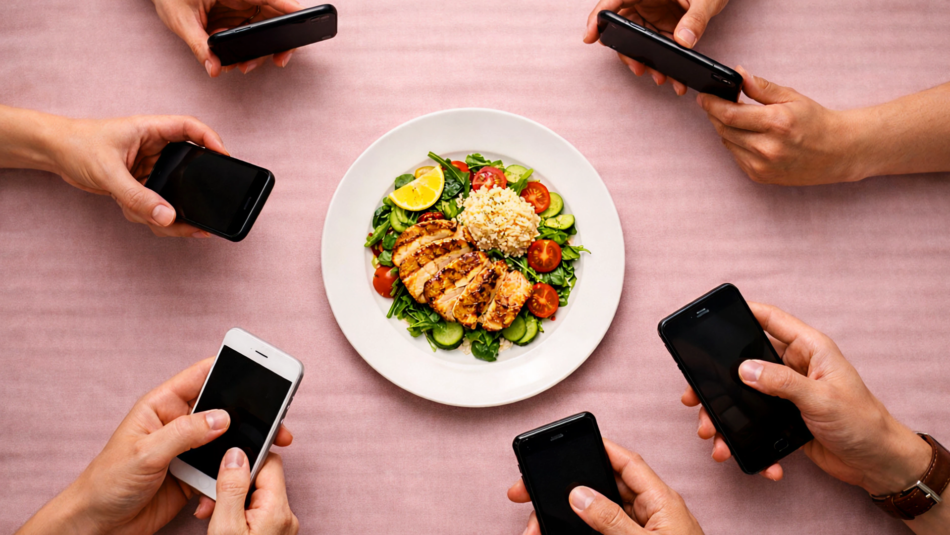
AI tools are accelerating every aspect of creator marketing, from discovery to briefing to content production. The efficiency gains are real. But scroll through any food-focused feed and you’ll see what that efficiency produces at scale: Generic flat lays that could belong to any brand. Recipe videos that feel just a little too polished. Influencer posts that are so bloated with talking points they sound like marketing speak.
Audiences notice, and they’re starting to reject content that feels engineered rather than lived. That’s worth paying attention to, given that the majority of brands (74%) are moving budget into creator programs this year. At the same time, more than half of U.S. adults say there are already too many influencers. The fatigue is real, and it’s mounting.
Meanwhile, a cultural countertrend is emerging. Consumers are seeking more analog experiences: cooking from scratch, farmers markets, hands-on meal prep. Social media still influences these behaviors, but the content that resonates most reflects real life rather than aspirational perfection.
This pattern has appeared before. When beauty advertising became too airbrushed, Dove’s Real Beauty campaign responded by celebrating authenticity. Today’s AI-heavy content environment represents a similar moment for food brands.
Food content influences everyday decisions about what people cook, eat, and feed their families. In a category already working through skepticism around ingredients and processing, the creator partnerships you develop (including who you select and how you brief them) play a major role in whether you build or erode trust.
Cast for Real Eating, Not Polished Performance
The partner your brand chooses signals what you believe real life looks like. And in food marketing, that signal has direct consequences.
If a recipe feels aspirational but impractical, audiences will admire the post but skip the product. Content that feels unattainable gets watched, not acted on. Routines drive purchases in food, so if the creator’s content doesn’t reflect how people actually cook and eat (how they actually live), it won’t change behavior.
That’s why influencer casting decisions should start with signals of authentic behavior, not follower counts.
- Do your prospective creators show the prep and the cooking, or just the finished plate?
- Do they understand the ingredient and how it fits into real use occasions?
- Would their audience expect to have this product in their kitchen?
- Is their comment section full of people asking questions, sharing substitutions, and swapping stories, or is it just a string of fire emojis?
These signals tell you whether a creator’s content actually reflects their lifestyle, or if they just have a flair for food styling.
When Polish Works Against You
AI tools are making it easier than ever to produce visually perfect food content. But as polish becomes effortless to generate, it stops signaling quality and starts signaling distance.
A phone-shot video of someone making dinner in their actual kitchen, using their actual cutting board, often outperforms a studio-lit brand asset on the metrics that matter. This includes saves, comment depth, and audience discussion that shows real engagement (like how they’d make the recipe themselves).
That doesn’t mean polish is always wrong. Premium brands and presentation-driven products can benefit from higher production value when the positioning supports it. But it would be a mistake to default to it every time. In a feed already calibrated for perfection, choosing a rawer production style can itself be a trust signal.
Guardrails, Not Scripts
As AI streamlines the process of generating briefs, talking points, and optimized captions, some brands are standardizing partner messaging so tightly that every creator receives the same pre-built script.
The instinct to download creators with as many talking points as possible makes sense. You want to protect the brand, after all. But go too far, and there’s no room left for the creator’s actual voice. Over-scripting kills the thing that makes creator content valuable in the first place, which is that it doesn’t sound like brand content.
The distinction that matters is between guardrails and scripts.
Guardrails define what must be true:
- Product claims and compliance requirements
- The core message
- Usage context
- Brand values
Scripts prescribe how to say it:
- Specific phrasing
- Rigid formats
- Too many talking points
Guardrails protect the brand. Scripts flatten the creator.
Instead of sending a brief and waiting, try building a pre-production deck with inspiration and visual references. Get on a call with the creator. Walk them through the concept and brainstorm together. You’ll get more buy-in, more creative energy, and content that feels distinctly human. AI can still help refine the brief. But the human-to-human collaboration paves the way for standout content.
Partnerships That Compound
One-off creator deals read as transactions. Audiences notice when a creator mentions a brand exactly once and never again. But when a creator returns to a product across multiple posts over months, the sustained endorsement compounds. It starts to look like genuine preference rather than a paid placement.
When selecting creators, match them to the campaign objective first. Balance content alignment with reach. And consider enlisting multiple smaller creators to reach engaged niche audiences rather than putting your full budget behind a single large account. Micro-creators (under 15K followers) consistently deliver engagement rates of 6–7%, well above larger accounts. That’s because smaller audiences tend to engage with creators they actually trust.
5 Questions to Ask Before Signing Your Next Creator
Before signing your next creator partnership, run it through these filters:
- Do they really eat this way? Look for genuine category fit beyond demographic overlap. If their feed doesn’t reflect the way your actual buyers cook and eat, the partnership will feel like cosplay.
- Does their existing content show process? Prep, on-the-fly adjustments, real kitchens. These are expertise signals as much as aesthetic choices.
- Do their followers look like your customers, and do they actually engage? A comment section full of real questions, substitutions, and shared experiences tells you more about audience fit than any media kit will.
- Can they speak to the product in their own voice? Test this during the briefing process. If they can’t riff on the product naturally, more scripting won’t fix it.
- Can you commit to this relationship for at least six months? If the answer is no, rethink whether this is a partnership or a transaction.
Real Relationships in a Synthetic Feed
Creator partnerships are one of the most visible expressions of your brand’s judgment. In a feed full of optimized content, audiences are looking for signals that your brand actually understands how they live and eat. That trust takes time to build, but only one bad partnership to erode. The tools will keep getting faster. The question is whether your partnership decisions are keeping up with what your audience actually values.
Related Posts
-

Today's consumers are more skeptical, discerning, and selective about the messages they believe. While traditional…
-

CPG food marketers who've dabbled with AI know the frustrating feeling all too well: They…
-

Food brand marketers like you often feel like they’re walking a tightrope. On one hand,…
- Published April 28, 2026