

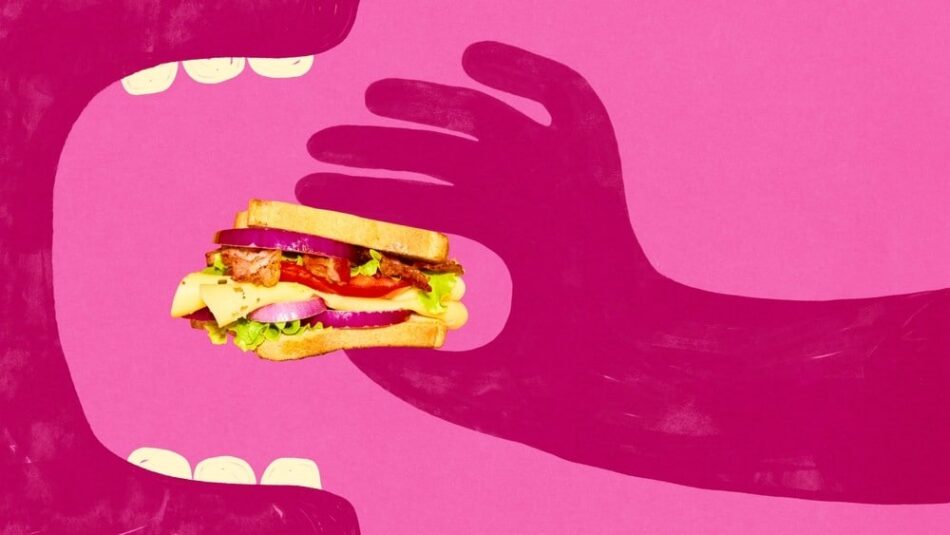
How Visual Storytelling Powers Food Marketing
Share
WRITTEN BY
TL;DR: Food marketing lives and dies by the screen: since consumers can’t taste or smell your product online, high-quality visuals do the selling. This article breaks down how visual storytelling triggers sensory appeal and drives purchase decisions, and how to put it to work for your brand.
- Why food is unique: Research on “visual hunger” shows appetizing imagery triggers measurable neural and physiological responses no other category can match.
- What works: Appetite-first photography, short-form video, recipe content, and user-generated posts. Research shows 84% of diners prefer seeing food and drink photos on a restaurant’s social pages.
- The best strategies: Hero the product, tell a story worth sharing, and keep your brand identity consistent from packaging to TikTok.
- How to measure success: Dollar sales, velocity at retail, repeat purchase, and customer base growth, not just impressions.
No one has ever tasted a banner ad. Yet every day, shoppers add products to carts, book tables, and switch brands because of what they saw on a screen. “You eat with your eyes first” isn’t just kitchen wisdom. It’s the operating principle behind effective food marketing. When your product can’t be smelled, sampled, or savored online, visuals have to carry the entire sensory load. The brands that master visual storytelling turn scrolling into cravings, and cravings into purchases.
What Makes Food Marketing Unique?
Food is the rare category where marketing can trigger a biological response. Cognitive scientists call it “visual hunger.” Research published in Brain and Cognition shows that simply viewing images of appetizing food produces measurable changes in neural activity, physiological response, and visual attention, especially in a hungry brain. No software demo or insurance commercial can do that.
That’s what separates food advertising from every other discipline. You’re not selling features. You’re selling an anticipated sensory experience. The glisten on a ripe strawberry, the steam rising off a bowl, the slow pull of melted cheese: these cues tap directly into consumer behavior at the level of appetite, before logic ever enters the conversation. Great food marketing doesn’t describe deliciousness… it makes the viewer crave it.
So, How Do You Market Food and Drinks?
Start with strategy, not the camera. Effective food marketing begins by defining your target audience (who they are, when they eat, and which occasions and emotions drive their choices) then building a differentiated brand identity around those insights. Food branding is much more than a logo or product name. It’s the photography style, color palette, packaging, and tone of voice that make your product recognizable at a glance, whether that glance happens on a shelf or in a feed.
From there, visual storytelling brings the strategy to life across every channel: appetite-driven photography on packaging and retail displays, short-form video on social, recipe content that puts your product on real tables, and marketing campaigns that keep the look consistent from TV to TikTok to the grocery aisle.
What Does Food Marketing Look Like in Action?
The examples surround you. Recipe videos that rack up millions of views. Seasonal, limited-time promotions built around a single hero shot. User-generated content from customers who photograph their plates before the first bite. Packaging refreshes that lift velocity at retail. Restaurant feeds that double as digital menus.
The demand for this content is well documented. In a Toast survey of 850 diners, 84% said they prefer to see photos of food and drinks on a restaurant’s social pages, and 42% now favor social media over search engines for discovering new places to eat. For food brands, the takeaway is blunt: your visuals are your first impression, your menu, and your best salesperson, all at once.
What Are the Best Food Marketing Strategies?
The strongest strategies pair sensory appeal with story:
- Lead with appetite appeal. Hero the product. Texture, color, and motion (the steam, the pour, the crunch) signal freshness and flavor faster than any headline.
- Tell a story worth sharing. Origin, craft, occasion. Narrative gives consumers a reason to care and a reason to choose you over private label.
- Stay visually consistent. A cohesive brand identity across packaging, social, and retail builds recognition and trust with every impression.
- Meet your audience where they scroll. Short-form video and shoppable content reach your target audience in the exact moments appetite strikes.
How Do You Measure Food Marketing Success?
Food marketing success is measured in outcomes, not impressions. Tie every initiative to the business results leadership actually tracks: dollar sales, unit velocity at retail, trial, repeat purchase, and growth of your customer base. Then layer in leading indicators like engagement, completion rate, purchase intent, and branded search to see which visuals move people from looking to buying. If the work is beautiful but the needle isn’t moving, it’s decoration, not marketing.
Turn Cravings Into Conversions
Visuals aren’t a simple garnish in food marketing. They’re the mechanism that convert sensory appeal into sales, and they work their hardest when strategy, creative, and measurement come from one team that lives and breathes food. As a food and beverage marketing agency with four decades of experience in nearly every corner of the category, EvansHardy+Young turns audience insight into visuals that stimulate trial, drive repeat purchase, and build lasting brand affinity.
Hungry for more? Let’s talk!
Related Posts
-

After working in nearly every segment of the food industry for over 30 years, we…
-

Last quarter, we were just beginning to see the effects of COVID-19 on food marketers…
-

When it comes down to it, food marketers are dealing with the issue of consumer’s…
- Published October 5, 2026