

The Quiet Powerhouse: Why Gen X Is Food Marketing’s Most Overlooked Opportunity
Share
WRITTEN BY
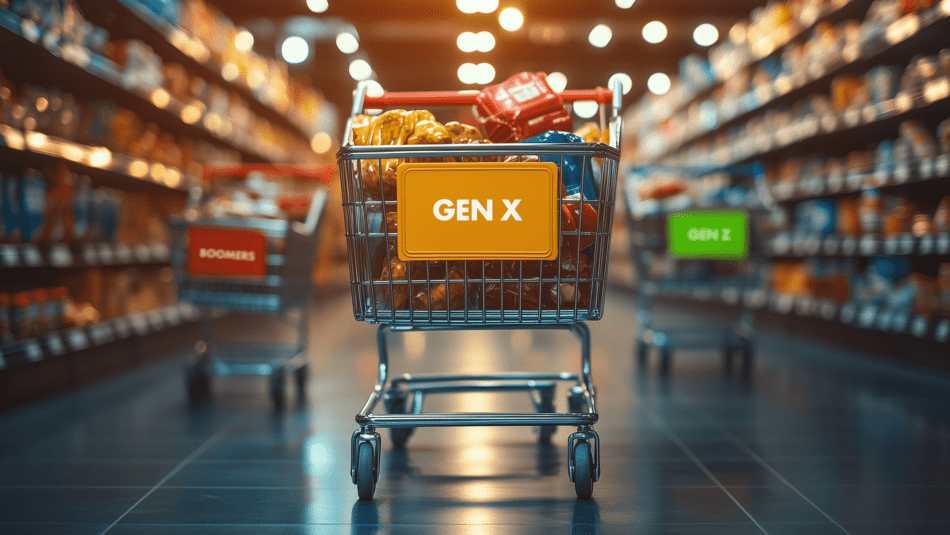
Food marketers everywhere are scrambling to decode the latest Gen Z slang and craft millennial-targeted messaging. Meanwhile, they’re missing a Gen X untapped marketing opportunity—the generation with the most purchasing power quietly decides what ends up in the shopping cart.
Unintentional though it may be, this generational tunnel vision means brands are competing fiercely for the attention of younger demographics while a massive opportunity sits untapped in grocery store aisles across America.
Gen X isn’t the loudest or flashiest demographic, but they are easily one of the most valuable. Shaped by punk rock, DIY culture, and a distrust of institutions, this generation still carries that countercultural spirit today. As independent thinkers and skeptical consumers, they value authenticity over hype and make decisions on their own terms. Not only are they in their peak earning years, but the “sandwich” generation’s buying habits influence entire households, from boomer parents to Gen Z kids. They quietly challenge convention in areas like parenting, health and wellness, and aging, favoring practical yet flavorful choices that reflect their self-reliant mindset. On top of that, they are brand-loyal and under-targeted – meaning less noise and more opportunity for brands that are savvy enough to recognize what’s right in front of them.
The question isn’t whether Gen X deserves marketing attention; it’s why so few brands are paying attention.
The Real Purchasing Power Behind the Cart
Born between 1965 and 1981, Gen X represents 30.4% of all U.S. households and holds the distinction of being the highest-spending generation in America. They invest an average of $16,800 annually per household on CPG and general merchandise — more than any other demographic. These aren’t impulse buyers scrolling through social feeds; they’re deliberate shoppers making strategic choices.
What makes this demographic particularly valuable is their role as household decision-makers. Gen X shoppers aren’t just buying for themselves, they’re purchasing for aging parents, teenage children, and everyone in between. They’re managing multi-generational needs while operating at the height of their earning potential. When they choose a brand, that choice establishes purchasing patterns that often persist long after kids leave home.
But here’s where it gets really interesting: Gen X isn’t just making purchasing decisions — they’re acting as the ultimate influencer. While brands chase micro-influencers and TikTok stars, Gen X is quietly wielding influence that spans generations and lasts decades. They’re not just filling carts; they’re shaping the food memories, brand loyalties, and emotional connections that will define how their children interact with food for the rest of their lives.
Think about it: the cereal Gen X parents choose for Saturday morning breakfasts becomes the “comfort food” their Gen Z kids will crave in college. The snack brands they stock in lunch boxes become the trusted go-tos their children will reach for as adults. The cooking oils, condiments, and pantry staples they use to prepare family meals become the foundation of their children’s culinary habits and brand preferences.
This generational influence extends beyond the home. Gen X parents are coaching Little League teams, hosting playdates, and organizing school events — all opportunities where their brand choices become visible recommendations to other families. Their purchasing decision ripple through social networks, creating authentic word-of-mouth marketing that money can’t buy.
Their shopping venues reflect these priorities: Walmart, Amazon, Costco, and Kroger – retailers that offer value, convenience, and reliability. While brands invest heavily in trendy retail partnerships and experiential marketing to capture younger consumers, Gen X gravitates toward solutions that work efficiently.
How Gen X Engages with Food Trends: Untapped Marketing Opportunity
The misconception that Gen X resists marketing hype has led many brands to overlook how this generation actually engages with major food trends. They’re not trend-averse; they’re trend-selective.
Like Gen Z, health and wellness are a major concern for Gen X’ers. But rather than jumping on every wellness bandwagon, they gravitate toward functional benefits that address their life stage priorities: brain health, heart health, longevity. In fact, nearly half of GLP-1 weight loss users (43%) belong to Generation X, making GLP-1-driven behavioral trends and marketing strategies worth tracking.
Gen X consumers were early adopters of clean eating and natural foods, pioneering many of the wellness movements that younger generations now embrace. The difference lies in their approach: they want straightforward information about benefits rather than lifestyle messaging that feels performative. Where Gen Z might respond to authenticity expressed through cultural representation and social values, Gen X interprets authenticity as honest communication about what a product actually does.
The functional foods market represents a particularly strong opportunity with Gen X consumers. They’re entering life stages where preventive health measures become priorities, making them receptive to nutrition-forward messaging, provided it feels substantive rather than trendy. They want evidence-based benefits communicated clearly, not fluffy claims wrapped in wellness jargon that feel designed to impress rather than inform.
In addition, this generation values quality and versatility above novelty. They’re drawn to products that solve multiple problems or offer practical applications beyond the obvious. A heart-healthy cooking oil that delivers omega-3 benefits while performing well for everyday sautéing and baking resonates better than one marketed exclusively as a “superfood” with trendy health claims. Likewise, a fiber-rich cereal that supports digestive health while satisfying the whole family’s breakfast needs outperforms one marketed solely as a weight management solution.
Digital Engagement Without the Drama
Unlike their Millennial and Gen Z counterparts, Gen X isn’t known for being “extremely online.” But that doesn’t mean they’re internet-averse luddites. Gen X is actively online, but they are selective about platforms and content. Rather than chasing trending hashtags, they gravitate toward Facebook, Pinterest, YouTube, and email — channels that offer depth and utility over fleeting viral moments.
Gen X consumers engage deeply with recipe content, how-to videos, and long-form brand stories that provide genuine value. They’re not seeking entertainment from food brands; they want solutions, inspiration, and information they can actually use. This creates opportunities for brands willing to invest in substantial content rather than quick-hit social campaigns.
Their communication preferences lean toward direct, benefit-focused messaging without gimmicks. They appreciate brands that respect their intelligence and avoid talking down to them with overly simplified or patronizing content. When brands successfully connect with Gen X consumers, they often find an audience willing to engage meaningfully rather than passively scroll past.
Unfortunately, many brands still ignore Gen X, especially in the context of their digital strategies. Consider the disconnect a major commodity board encountered recently when the heavy Gen Z positioning they created for their social channels didn’t translate to the older retail audiences actually shopping at Costco, Walmart, and conventional grocery stores. The language and approach that tested well in digital spaces felt disconnected from the buyers making actual purchasing decisions.
The Untapped Strategic Advantage
Gen X presents a unique marketing opportunity precisely because they remain so under-targeted. With less competition for their attention, brands can gain traction without the same level of cost and competition required to reach oversaturated younger demographics. And that means better ROI on marketing investments and more efficient customer acquisition costs.
When brands do earn Gen X trust, the payoff is substantial. This generation demonstrates genuine loyalty. They’re 13% more likely to use loyalty programs — and more than half prefer to pay a premium for brands they know and trust rather than take a risk on a private-label product. Once you’ve earned their trust, they stick with you.
Once Gen X consumers connect with brands authentically, their influence extends well beyond personal purchases. Their recommendations carry weight in social circles because they’re perceived as well-researched rather than trend-driven. A positive brand experience with this demographic often translates to organic word-of-mouth marketing that reaches multiple generations.
The Competitive Edge Hiding in Plain Sight
Success with Gex X doesn’t require revolutionary tactics or cutting-edge platforms. It demands respect for their intelligence, clarity about functional benefits, and authentic communication that feels honest rather than calculated. For brands willing to step away from the crowded Gen Z and Millennial conversations and speak directly to the people actually filling grocery carts, the opportunity is significant.
The question facing food marketers isn’t whether to target Gen X – it’s whether they can afford to keep overlooking the generation that controls household food decisions while their competitors fight over trending demographics. The smartest brands will recognize that the quiet powerhouse has been there all along, just waiting for someone to speak their language.
Ready to unlock the Gen X opportunity for your brand?
While others chase the latest trends, the smart money is on connecting with the generation that’s actually making purchasing decisions and shaping food culture for the next 30 years. At EHY, we’ve spent three decades mastering food marketing’s toughest categories, and we know exactly how to help brands tap into this overlooked audience with intention and impact. Let’s talk about turning Gen X’s quiet influence into your brand’s loudest success story.
Related Posts
-

I have a confession to make. I hate food commodity marketing boards. You may find my…
-

After working in nearly every segment of the food industry for over 30 years, we…
-

Last quarter, we were just beginning to see the effects of COVID-19 on food marketers…
- Published August 6, 2025